The Designer & Strategist

I don't just execute briefs — I help shape them. From turning a founder's rock-and-roll roots into a brand that helped close a corporate acquisition, to visualizing the complex flow of AI transformation for global conference audiences, I make the abstract feel human and the complex feel inevitable.

My toolkit: Figma, Adobe Creative Cloud, Claude, DALL-E, PowerPoint decks that actually win deals, microsites that launch campaigns, and brand systems built to scale.

↗ Design & experiential portfolio

The Eye Behind the Work

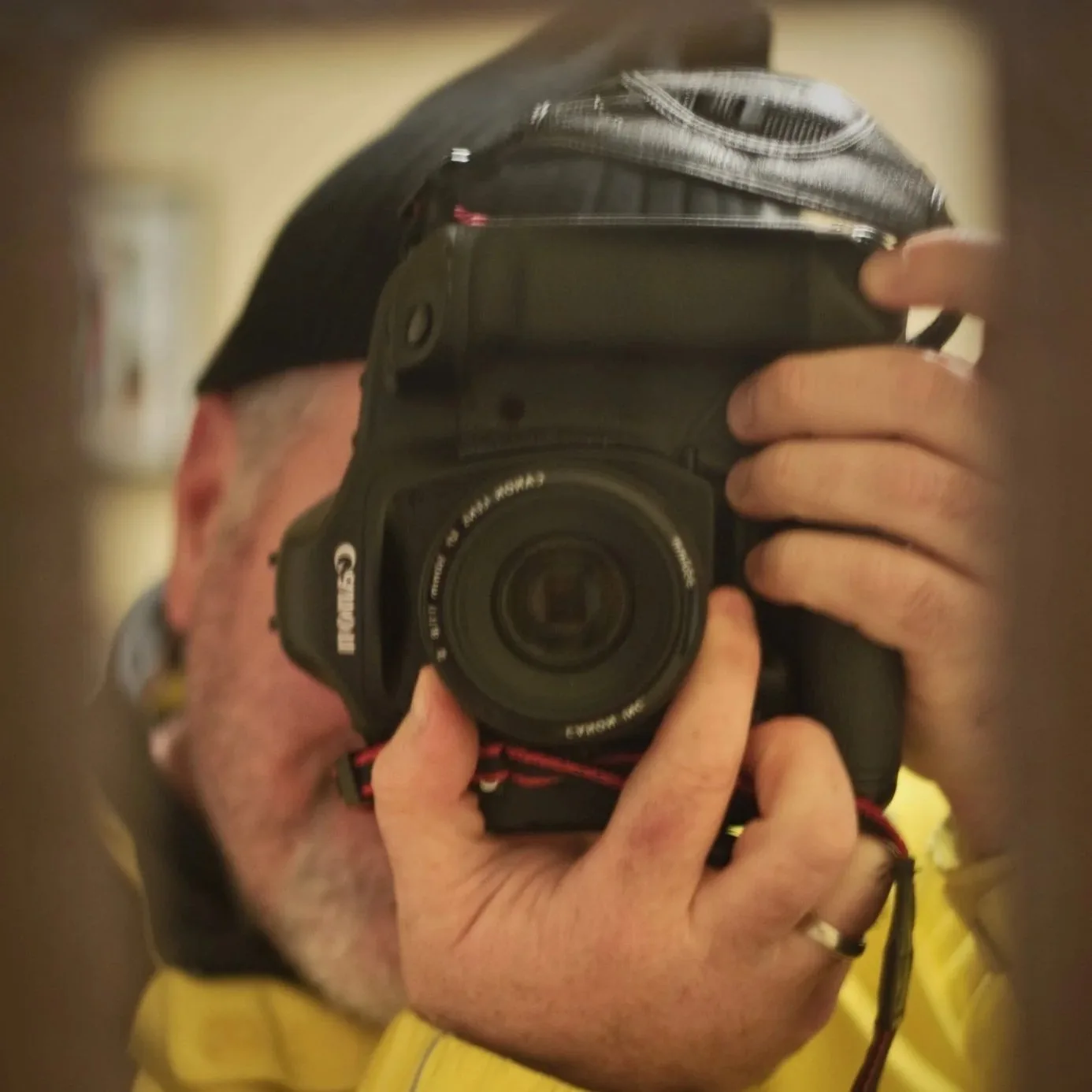
Photography isn't a hobby I keep separate from the work — it's the training ground for everything I do at a desk. Spending years hunting for the decisive moment, the unexpected angle, the light that changes a frame completely has given me an instinct for composition that no software tutorial can teach.

When I art direct a shoot, I'm not just directing talent. I'm thinking about how the image will sit in a layout, how it will crop, how it will feel at 2am on a conference room screen. That eye is visible throughout the case work — from the "We Are Oakland" employee portraits to the Monterey Peninsula tab photography, which I shot entirely myself.

The Brand Voice & Narrative Architect

A produced playwright and finalist at Awesome Theatre's 2025 Weirdstock festival, I write for live audiences — which means I've learned something most designers never do: when a line doesn't land, you hear it in real time. That discipline shapes everything I build at a desk.

That instinct was forged at Thunderbird Theatre Company, San Francisco (est. 1996) — where I was a core company member from 2003 to 2015, contributing as marketing director, designer, stage manager, and primary photographer/art director. Five plays co-written with Bryce Allemann — three Thunderbird works and two SF Olympians Festival contributions. Cover photography in SF Weekly, The Guardian, SF Examiner, and the San Francisco Chronicle.

Brand voice, campaign copy, executive presentations, PSA scripts — I approach them all the way I approach a script: every word must earn its place, and the goal is always the same: make the audience lean in.

↗ Brand voice & narrative work
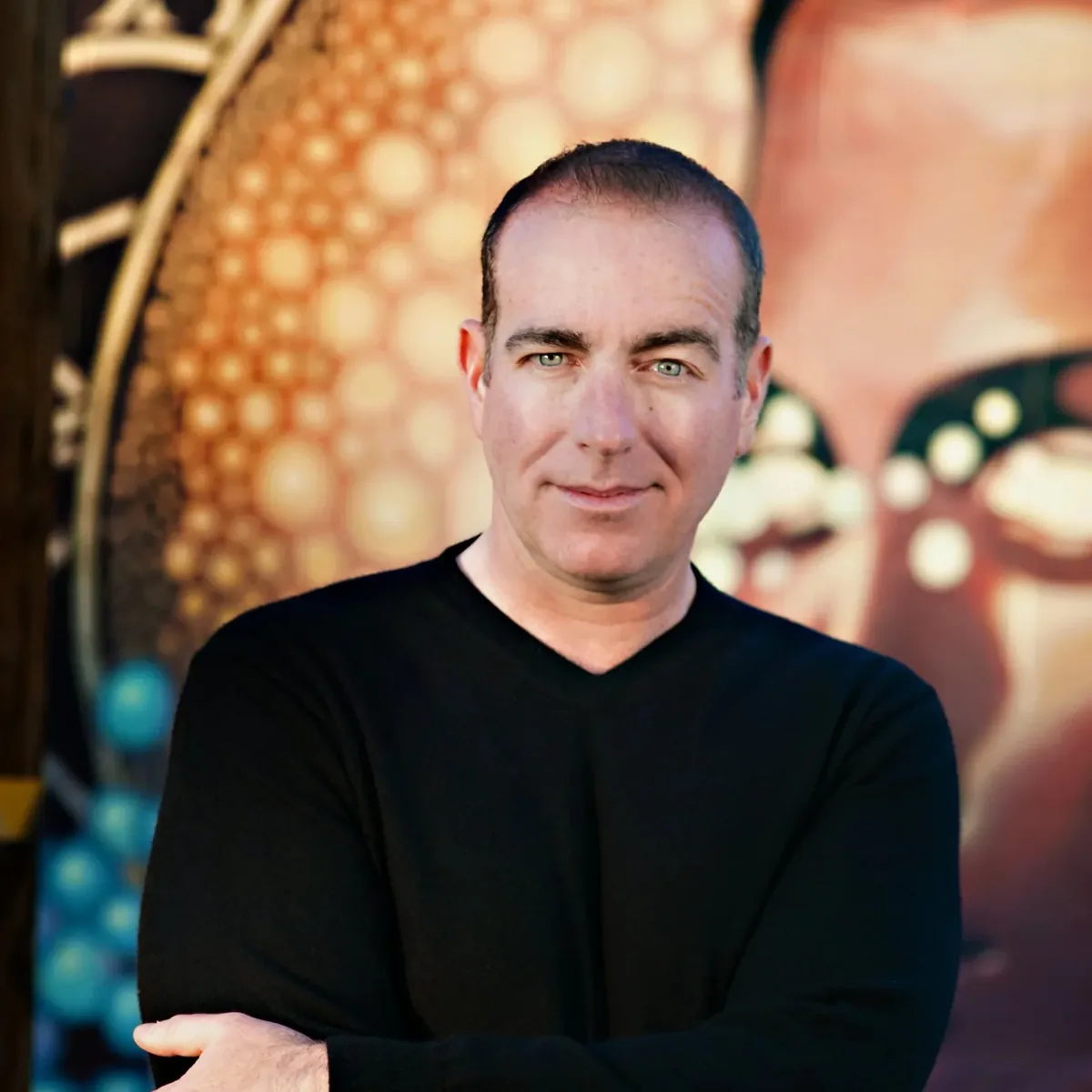
Dana Constance — in the studio

In the studio

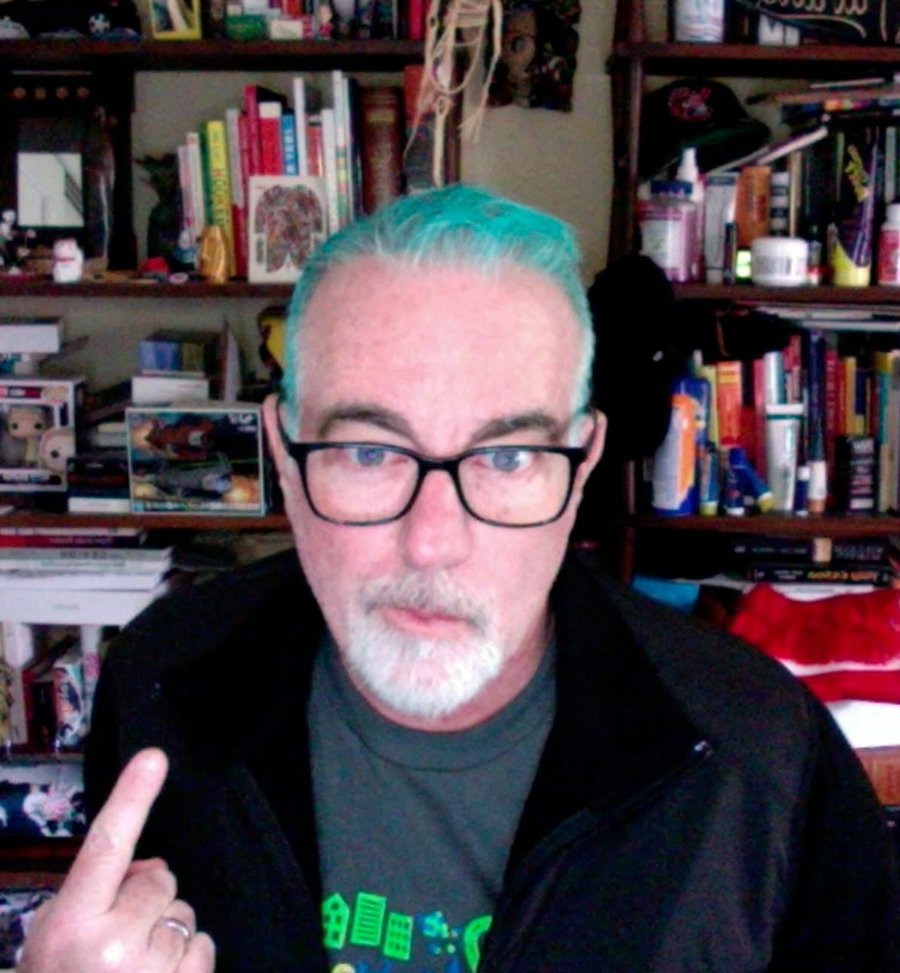
At work

At work

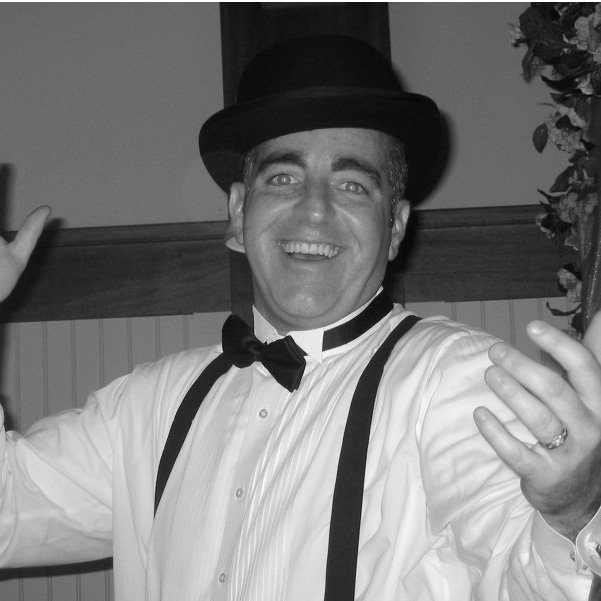
On stage

On stage

18 yrs

Professional design experience

12 yrs

Creative leadership & team building

$1B+

Revenue supported through art direction

5

Industries: tech, healthcare, environmental, municipal, real estate

Design philosophy

Good design is a utility — it should work hard, scale effortlessly, and solve real problems.

I've always believed that whether you're standing onstage or in a conference room, you're looking for the same thing: a connection. My creative journey spans corporate brand strategy, the visual instinct that comes from years behind a camera, and the collaborative energy of the theatre — but to me, a design system, a well-framed photograph, and a stage play are all doing the same thing: they're deciding what you notice first, and what you feel next.

The AI era hasn't changed that belief — it's sharpened it. Here's where I've landed after building real production workflows with these tools: AI is the best research assistant, first-draft generator, and variation engine that's ever existed — and it has no taste. It doesn't know when a headline is trying too hard, when a layout feels corporate instead of confident, or when the right creative move is to throw out the brief. That judgment is irreplaceable, and it only comes from years of watching what actually lands with real audiences. What AI does is compress the distance between that judgment and the thing it produces. A brand voice that used to take three weeks of workshops to develop can now be prototyped in a day — which means I can spend the other thirteen days pressure-testing it, refining it, and making it better. At Equitide, a two-person team is producing the full foundational output — brand system, website, social pipeline, investor content — of what would traditionally require five. That's not because AI replaced the creative work. It's because AI absorbed the mechanical work, and left more room for the work that actually matters.

The designers who thrive in the next decade will be the ones who can tell the difference. I've spent 18 years learning how to read a room — a boardroom, a conference floor, a theater audience. That skill doesn't age — and after 18 years of reading rooms, I'm bringing all of it — the strategic instinct, the maker's hands, the storyteller's timing — to every brief that lands on my desk.

// Ready when you are

Let's build something worth remembering.